
MFS Series
Mud Filtration Systems
Maximize Fluid Recovery
Our multi-stage separation process delivers clean, reusable drilling fluid—cutting waste, saving on additives, and improving efficiency on every job.
Find Your Perfect Fit
From compact systems to high-volume reclaimers, Triflo MFS units are built to match your space, flow rate, and operational demands.
Engineered for the Field
Whether it’s mounted on a skid, trailer, or Rockover™, every Triflo system is designed for mobility, durability, and real-world job site conditions.
MFS Series
Designed for
Drilling demands
Triflo MFS Series systems combine high-performance shakers, desanders, desilters, mud mixing hoppers, and mud guns to deliver full-cycle fluid recovery and reuse. Each unit is purpose-built to manage drilling fluids efficiently—removing solids, reclaiming fluid, and supporting on-site mixing without interruption.
Whether you’re crossing under highways or drilling deep wells, Triflo’s rugged, field-proven systems help maintain borehole stability, reduce waste volume, and keep your operation running clean and cost-effectively from start to finish.

Mud Filtration System
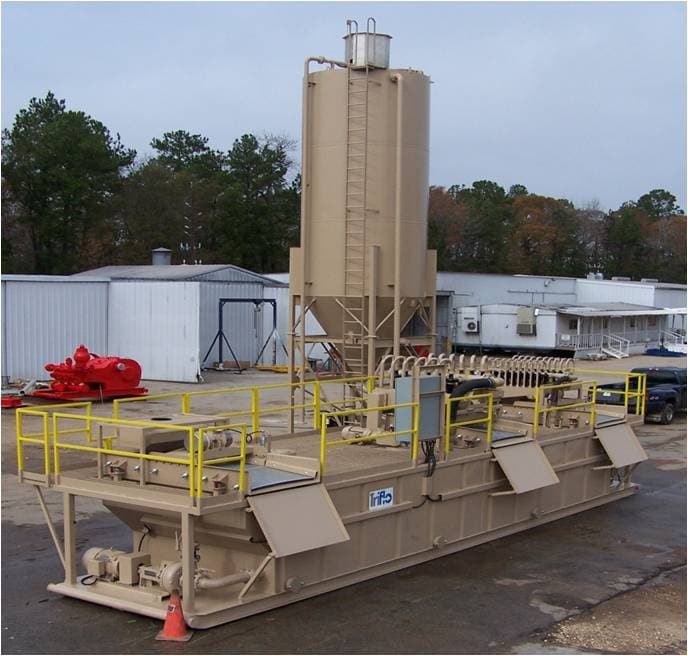
Compact and skid-mounted, the MFS 1500 is perfect for tight spaces and smaller drilling jobs, delivering efficient fluid recovery without sacrificing performance.

Mud Filtration System
The MFS 3500 balances capacity and portability, offering reliable solids control for medium-sized projects with versatile configuration options.

Mud Filtration System
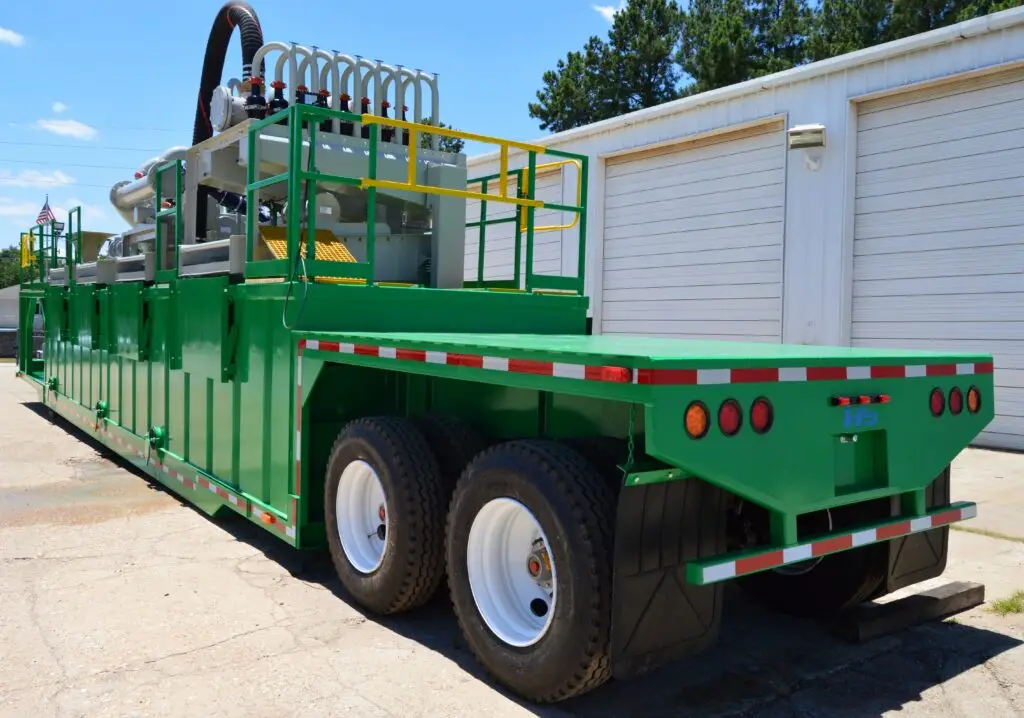
High-volume and rugged, the MFS 8000R Rockover™ system is built for large-scale drilling operations demanding maximum efficiency and mobility.
Custom Systems Available
Built to Match Your Operation
No two job sites are the same—and your mud system shouldn’t be either. Triflo offers full customization across our MFS Series to meet your exact project needs. Whether you’re working in tight urban corridors, remote well sites, or large-scale drilling zones, we can design and build a system that fits.
Common Customizations:
Custom tank sizes and configurations
Trailer-mounted, skid-mounted, or Rockover™ mobility
Custom shakers and hydrocyclone packages
Color matching and private label branding
Operator-friendly layout modifications
Integrated power packages or remote control options
- Winterization and XP packages


Custom
Builds

Proud to Support the Contractors Who Build, Restore, and Reclaim

Oil & Gas
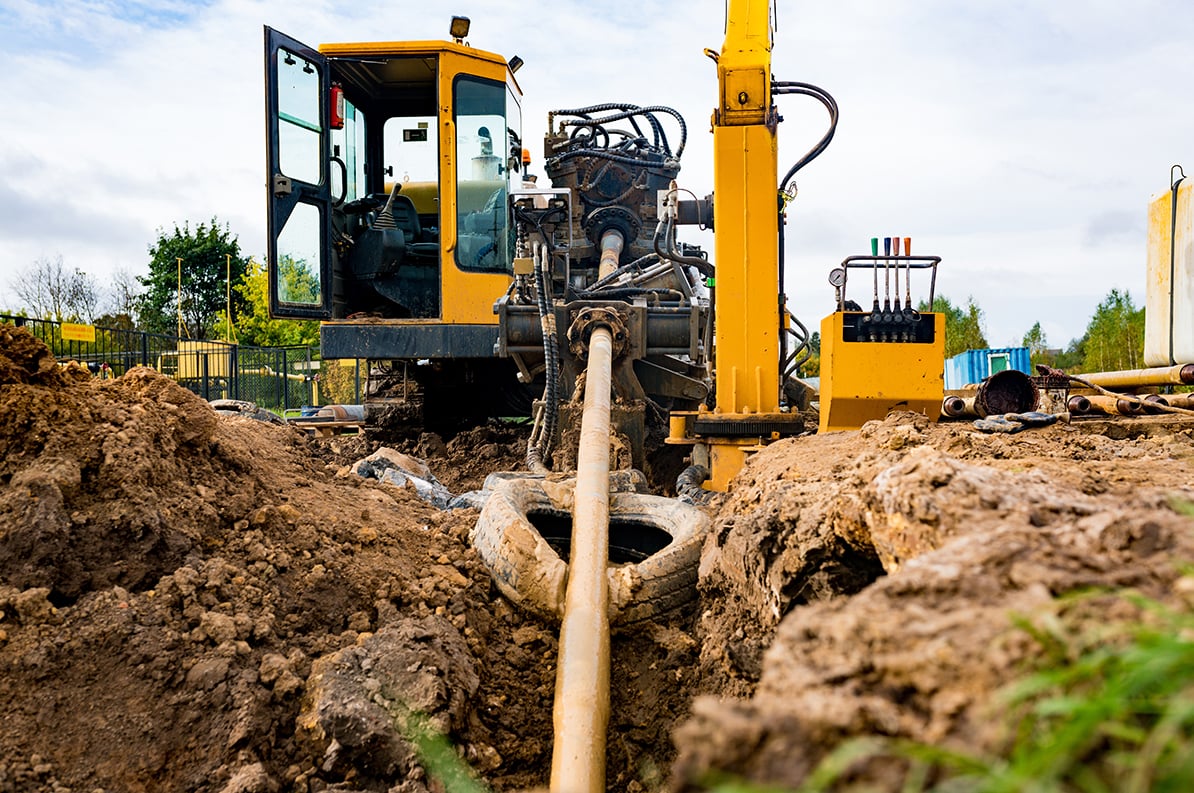
Horizontal Directional Drilling

Water Well Drilling

Agricultural Waste Recovery

Civil Construction

Mining & Mineral Processing
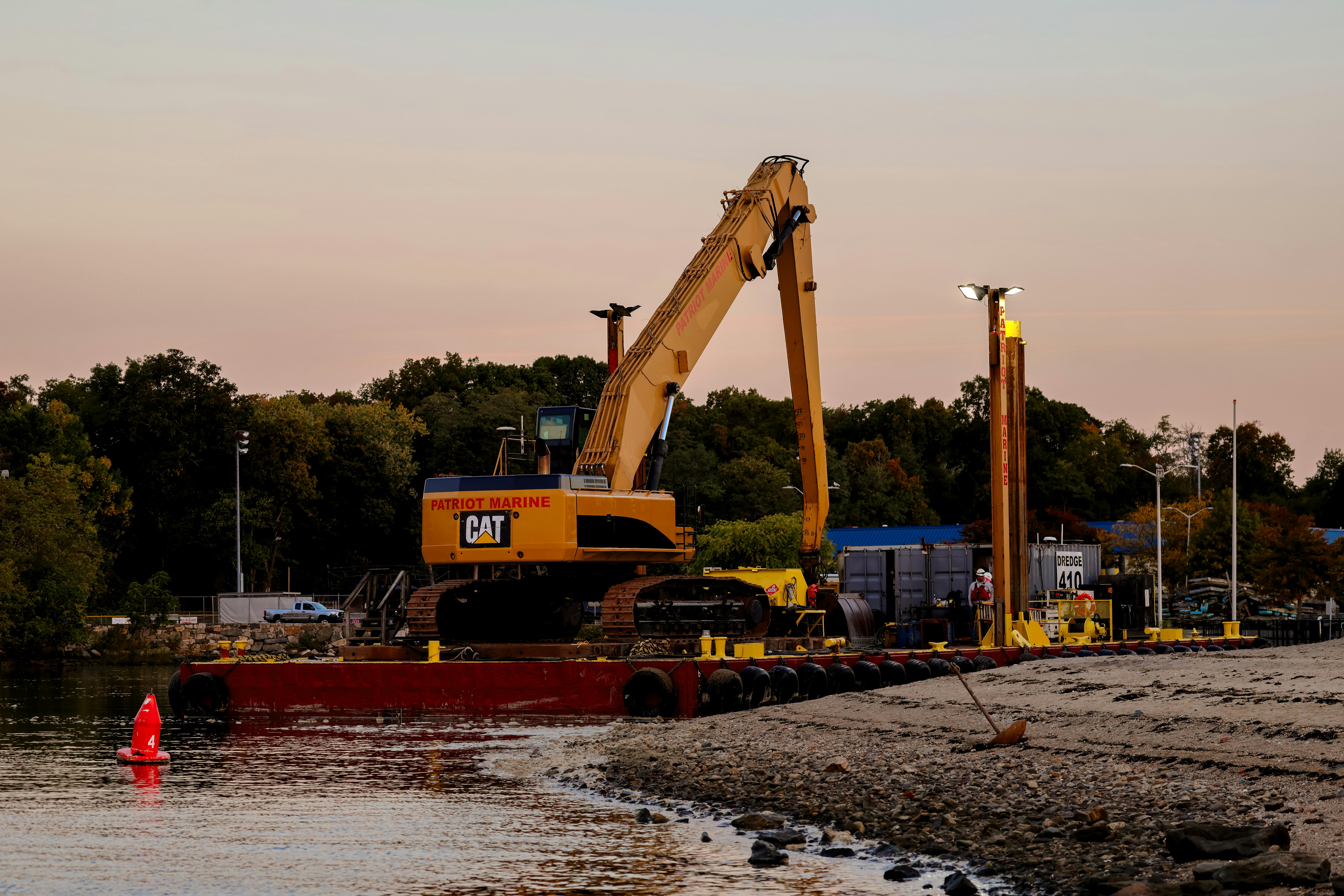
Dredging & Dewatering

Environmental Remediation
What does a mud filtration system do?
A mud filtration system, often referred to as a mud reclaimer or mud recycling system, removes drilled solids from drilling fluid so the fluid can be reused throughout a project. By continuously removing unwanted solids, mud filtration systems help maintain drilling fluid properties, improve borehole stability, reduce dilution requirements, protect downstream pumps and drilling equipment from excessive wear, and improve overall drilling efficiency. Recycling drilling fluid also helps reduce water consumption, lower disposal costs, and minimize the volume of waste generated on the jobsite.
How does a mud filtration system work?
Mud filtration systems use multiple stages of solids separation to clean drilling fluid before it is returned to the drilling operation. Drilling fluid first passes over a shale shaker equipped with screens that remove larger drilled solids. The fluid then flows into the system's tank where it is pumped to hydrocyclones that separate finer particles using centrifugal force. The hydrocyclone discharge is directed onto a secondary shaker, allowing additional fluid recovery while removing concentrated solids. The cleaned drilling fluid remains in the tank and is recirculated back to the drilling operation for reuse. This multi-stage process helps remove a wider range of solids than a shaker alone while improving fluid quality and maximizing fluid recovery.
How do I choose the right mud filtration system?
The best mud filtration system is not always the largest system available. Proper system selection should be based on drilling fluid flow rates, expected solids volumes, drilling conditions, and project requirements. A system that is too small may struggle to maintain fluid quality, while an oversized system can increase equipment, transportation, and operating costs unnecessarily.
Factors such as processing capacity, hydrocyclone configuration, shaker size, available jobsite space, and the type of drilling being performed should all be considered when selecting a system. Working with an experienced solids control provider can help ensure the equipment is properly matched to the project and drilling conditions.
Why is solids control important during drilling?
Effective solids control helps maintain proper drilling fluid properties throughout a project. Excess drilled solids can increase wear on pumps and equipment, reduce drilling efficiency, impact borehole stability, and increase fluid maintenance requirements. Removing solids as they are generated helps contractors maintain cleaner drilling fluid and improve overall drilling performance.
How can poor solids control affect drilling performance?
As drilled solids accumulate in the drilling fluid, they can alter fluid properties and reduce the effectiveness of the drilling program. Excess solids may contribute to increased equipment wear, reduced penetration rates, higher dilution requirements, and additional maintenance. Effective solids control helps maintain cleaner drilling fluid and more consistent drilling performance.
How can a mud filtration system help reduce drilling costs?
A mud filtration system helps recover and reuse drilling fluid that would otherwise require replacement or disposal. By reducing water consumption, minimizing drilling fluid dilution, lowering waste volumes, and protecting pumps and other equipment from excessive wear, contractors can often reduce operating costs throughout a project.
What types of drilling projects use mud filtration systems?
Mud filtration systems are commonly used on horizontal directional drilling (HDD), water well drilling, geothermal drilling, utility installation, pipeline construction, and other drilling projects where drilling fluid is used to transport cuttings and maintain borehole stability. The appropriate system size depends on fluid volumes, drilling conditions, and project requirements.
Why is drilling fluid quality important?
Drilling fluid performs several critical functions during drilling, including carrying drilled solids from the borehole, cooling and lubricating tooling, and helping maintain borehole stability. Maintaining proper fluid quality through effective solids control can improve drilling efficiency, reduce equipment wear, and support overall project performance.
Why use a mud recycling system instead of a shale shaker alone?
A shale shaker is an important first step in solids control, but it primarily removes larger drilled solids. As finer particles continue to build up in the drilling fluid, they can impact fluid properties, drilling efficiency, and overall system performance.A mud recycling system provides additional stages of solids separation beyond the shaker.
By combining shale shakers, hydrocyclones, and fluid recovery processes, the system removes a wider range of solids before the fluid is returned to the drilling operation. This allows contractors to recover and reuse more drilling fluid while reducing waste, water consumption, and disposal requirements.
What happens when drilled solids are not removed from drilling fluid?
As solids concentrations increase, drilling fluid can become more difficult to manage and maintain. This may lead to increased dilution requirements, higher operating costs, reduced drilling efficiency, additional equipment wear, and challenges maintaining desired fluid properties. Effective solids control helps prevent these issues before they impact the project.