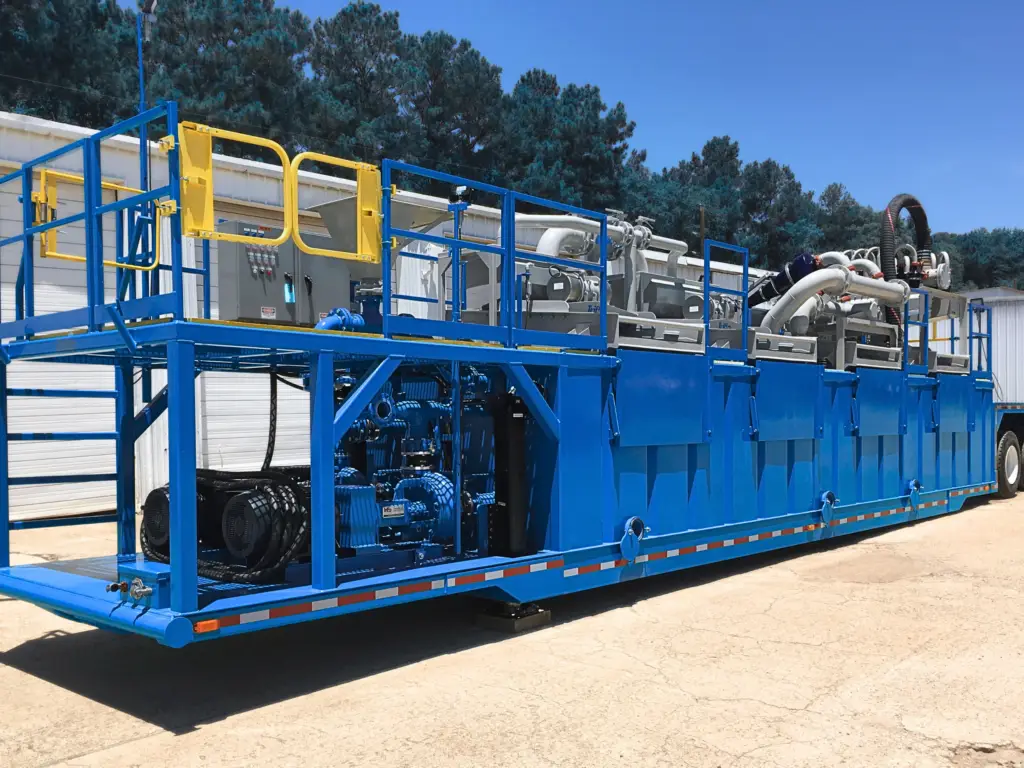
MFS 1500S
Compact Footprint. Maximum Efficiency.
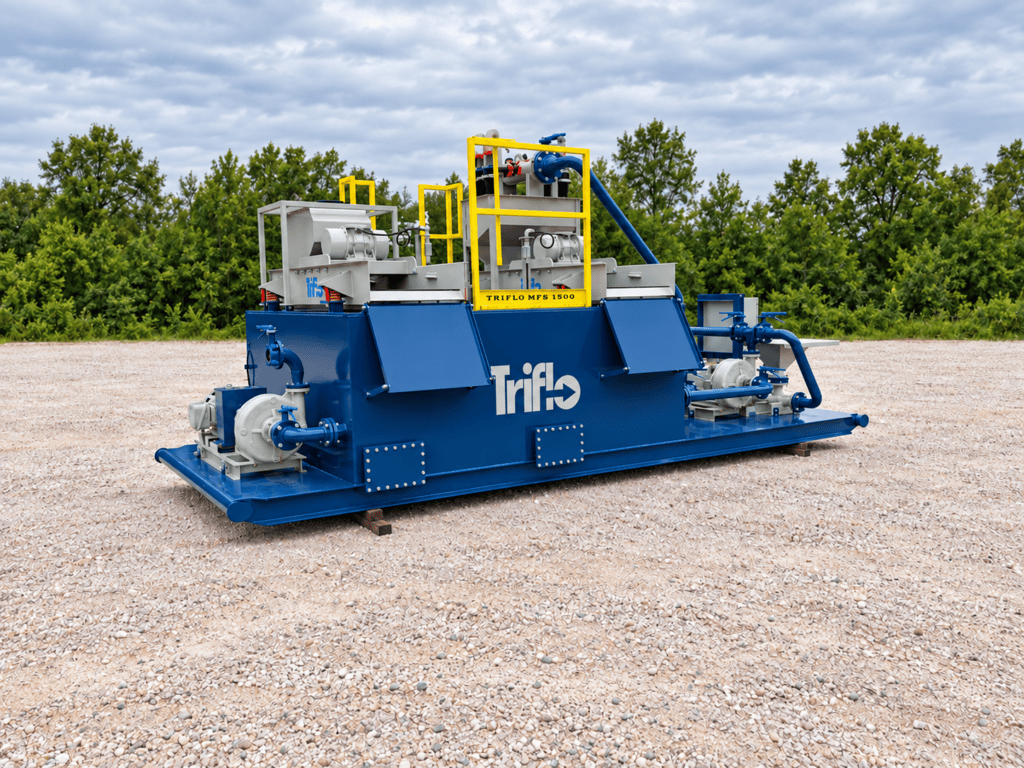
Built for Compact Jobsites
The MFS 1500 mud filtration system is designed for Horizontal Directional Drilling (HDD) operations, water well drilling and underground infrastructure projects. Its compact footprint makes it ideal for jobsites where space is limited, and performance can’t be compromised.
Sustainable Practice
Whether you’re drilling water wells, installing geothermal systems, or working agricultural projects, the MFS 1500 keeps fluid handling clean, efficient, and environmentally responsible. With a 200 GPM flow rate, it is optimized to extend the lifespan of drill bits, minimize waste by supporting fluid reuse, and reduce overall disposal costs—backing your productivity from start to finish without interruption.
features
MINIMAL FOOTPRINT
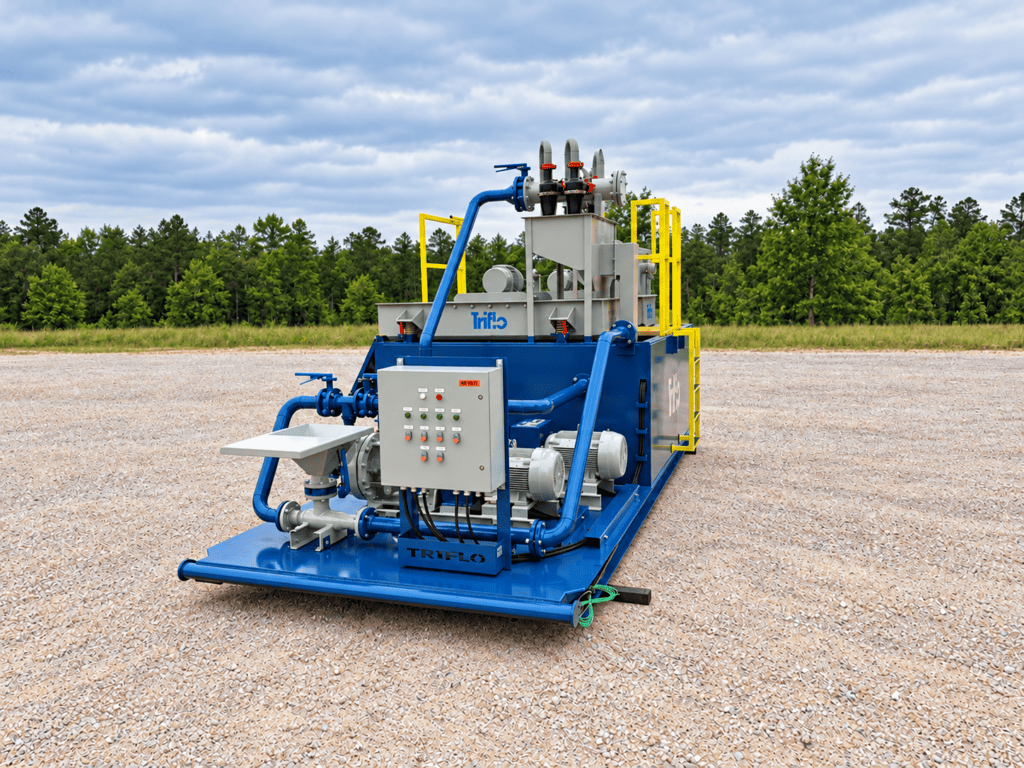
The MFS 1500 features a compact, modular design that integrates seamlessly with a variety of directional drills and mud pumps. Its mobility and space-saving structure allow it to be positioned precisely where and when it’s needed, enhancing flexibility and efficiency on the jobsite.

HIGH EFFICIENCY SEPARATION
The multi-stage filtration system utilizes elliptical motion scalping shakers to remove large cuttings, followed by four 4-inch desilter hydrocyclones achieving excellent solids recovery down to 24 microns.
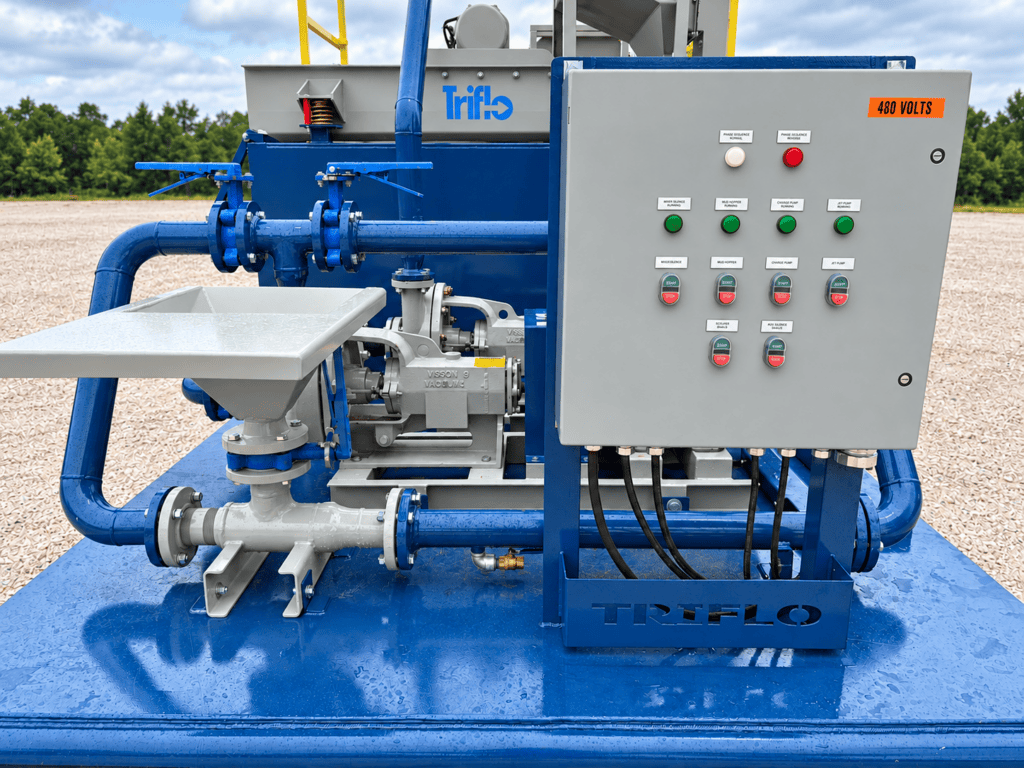
OPTIMIZED MUD MIXING
A 3-inch Mud Mixing Hopper with Venturi Jet provides quick and uniform incorporation of drilling additives into the mud stream— ensuring stable and consistent fluid properties throughout the drilling process
Specifications
Weight and Dimensions
- Weight: 12000 lbs. (5443 kg)
- Length: 19 ft. 4¾ in. (5.8 m)
- Width: 7 ft. 6 in. (2.3 m)
- Height: 9 ft. 4 in. (2.8 m)
Tank Capacities
- Max Capacity: 1511 gal (5.72 kL)
- # of Tanks: 2
- Scalper Tank: 657 gal (2.49 kL)
- Desilter Tank: 854 gal (3.23 kL)
Equipment
- SHALE SHAKERS:
- 2 TFI 126E Elliptical Motion Shakers
- 2 Screens Per Shaker
- Shaker Bed Area 12 ft² (1.1 m²)
- Screen Size 25.13" x 36.88"
- Available mesh sizes: 3 - 400 Mesh
- DESILTER:
- 4 4-in (10.2 cm) Hydrocyclones
- PUMPS:
- 2 2x3 250 Series Centrifugal Pumps with 15HP Electric Motors
- 1 2x3 250 Series Centrifugal Pumps with 20HP Electric Motors
- MUD GUNS:
- 2 Stationary Mud Guns
- HOPPER:
- 1 TFI 3 in. Mud Hopper with Venturi Jet
General
- Inlet Size: 3 in. (7.62 cm)
- Outlet Size: 3 in. (7.62 cm)
- Control Panel: Centralized Weatherproof NEMA 4x Control Panel
- Power Requirements: 67 AMPS
- Corrosion Control: Chemical/Abrasion Resistant Mastic Tank Lining
- Frame Type: Skidded
- Process Rate: 200 GPM
- Cut Point: 24µ
Optional Additions
- Pit Pump: TFI 3 in. Semi-Submersible
- Generator: 75 kW 460v/60Hz
- Trailor: Gooseneck/Pintle/Integrated
- Wired Remote: Pit Pump/Charge Pump
- Winterization: Tank Heaters, Pipe Insulations +
- Branding: Custom Colors and Logos
- Electrical: XP Package
Reclaim More with Less Waste
Get the mud management system built for efficiency, durability, and results.
Customer support
Made in the usa
Warranty
International shipping
What size mud recycling system is best for small to medium HDD projects?
The right system depends on drilling fluid volume, formation conditions, and project requirements.
For many small to medium HDD projects, a compact mud recycling system like the TriFlo MFS-1500 provides effective solids control and fluid recovery without the footprint of larger systems.
When should a contractor choose a compact mud recycling system?
Compact mud recycling systems are often a good fit when jobsite space is limited, fluid volumes are moderate, or equipment mobility is important. The MFS-1500 is designed to provide multi-stage solids removal while maintaining a smaller footprint than larger mud recycling systems.
How can drilling contractors reduce drilling fluid waste?
Removing drilled solids and recycling usable drilling fluid can significantly reduce waste generated during a project. The MFS-1500 helps recover drilling fluid through a combination of shale shakers and hydrocyclones, reducing the amount of fluid that must be replaced or disposed of.
What are the benefits of recycling drilling fluid on utility installation projects?
Recycling drilling fluid helps maintain cleaner mud, reduce water consumption, lower disposal requirements, and improve overall drilling efficiency. These benefits can be especially valuable on utility installation projects where space and logistics are often limited.
What types of projects benefit from a compact mud recycling system?
Compact mud recycling systems are commonly used for horizontal directional drilling (HDD), utility installation, water well drilling, geothermal drilling, and other projects where fluid recycling is needed but larger systems may not be practical.
How does a compact mud recycling system remove drilled solids?
The MFS-1500 uses a multi-stage separation process. Drilling fluid first passes over a scalping shaker to remove larger solids before flowing through hydrocyclones that separate finer particles. The hydrocyclone discharge then passes over a secondary shaker to recover additional fluid and further reduce waste.
Why is solids control important during water well drilling?
As drilled solids accumulate in the drilling fluid, they can affect fluid properties and overall drilling performance. Effective solids control helps maintain cleaner drilling fluid, improve hole cleaning, reduce equipment wear, and support efficient drilling operations.
How can water well drilling contractors reduce water usage on a jobsite?
Recycling drilling fluid allows contractors to recover and reuse fluid that would otherwise be discarded. By continuously removing drilled solids and recirculating usable fluid, systems like the MFS-1500 can help reduce the amount of fresh water required during drilling operations.