Remove solids down to 10 microns with precision-engineered performance.
Flexible Flow Rates
Available in models processing from 300 to 2,000 GPM to match your operational needs.
Chemical-Free Operation
Protect the environment and simplify compliance with clean, mechanical separation.
ES Series
Engineered for Clean Separation
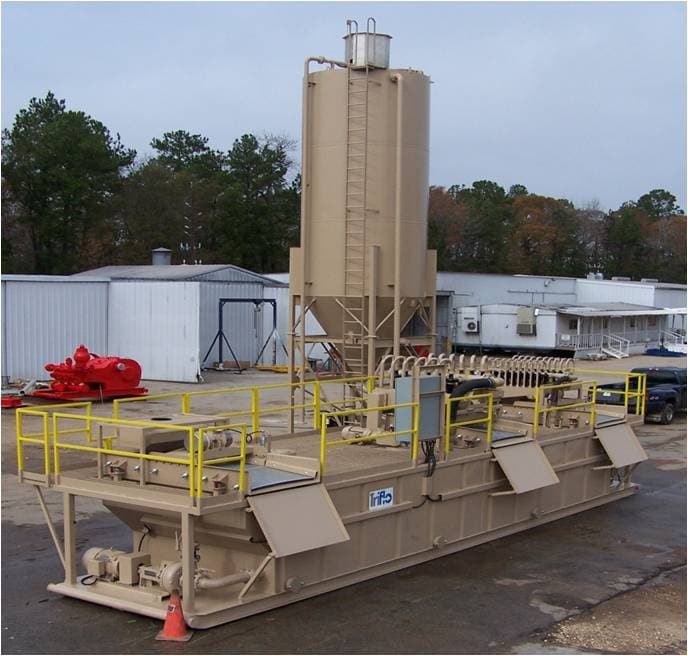
Triflo’s Environmental Dewatering Systems are built for tough applications like dredging, environmental remediation, tank bottom recovery, pit cleanouts, and sludge management. Each unit uses a patented three-stage mechanical process—featuring high-performance shakers, desanders, and desilters—to remove solids down to 10 microns without the use of chemicals.
With flow rates from 300 to 2,000 GPM, our systems help reduce waste, reclaim water, and ensure compliance across industries including construction, mining, oil and gas, and environmental services.
Compact and efficient, the ES 300 is ideal for small-scale remediation, tank cleaning, and tight-access jobs where space is limited but performance matters.
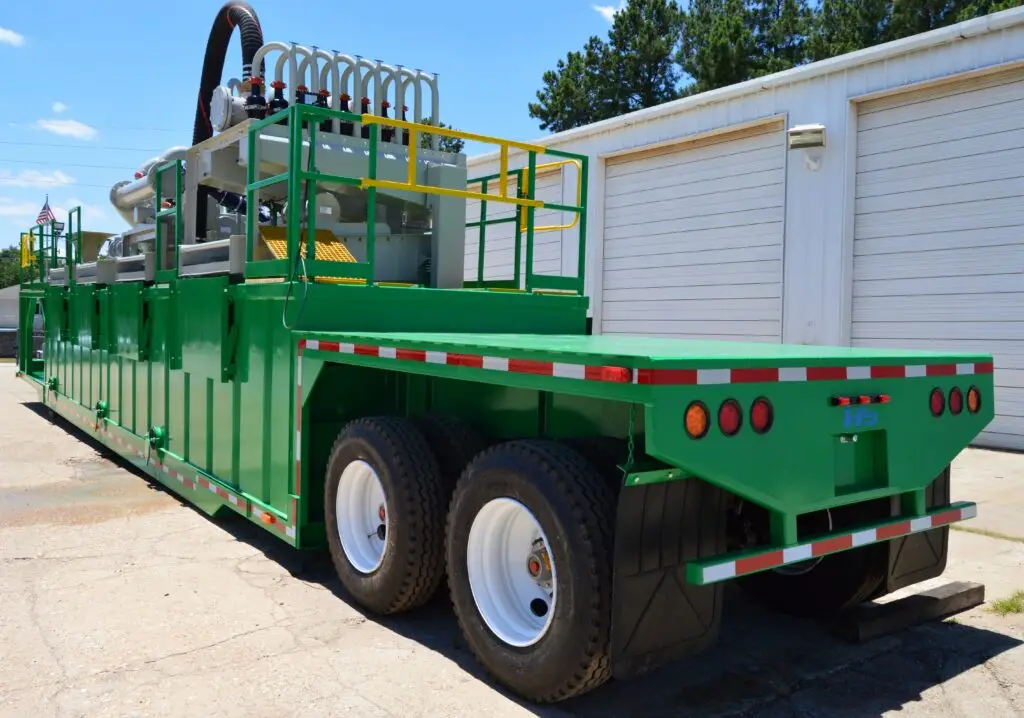
Built on a durable rockover frame, the ES 1000R offers high-capacity performance with easy transport and fast setup. Perfect for large remediation jobs, sludge recovery, and tank cleanouts, it processes up to 1,000 GPM without chemicals.
Our highest-capacity rockover unit, the ES 2000R is engineered for large-scale dredging, industrial cleanup, and heavy-volume dewatering. With processing rates up to 2,000 GPM, it combines mobility and serious on-site power.
One Size Doesn’t Fit All—Especially in Environmental Cleanup
Triflo’s ES Series is fully customizable to match the unique demands of your site. Whether you’re managing sludge from tank bottoms, cleaning out remediation pits, or processing slurry in dredging and industrial cleanup projects, we can design a dewatering system that fits your exact flow rates, footprint constraints, and operational goals.
Common Customizations:
Custom tank sizes and configurations
Trailer-mounted, skid-mounted, or Rockover™ mobility
Custom shakers and hydrocyclone packages
Color matching and private label branding
Operator-friendly layout modifications
Integrated power packages
Winterization and XP packages
Custom Builds
Proud to Support the Contractors Who Build, Restore, and Reclaim
Oil & Gas
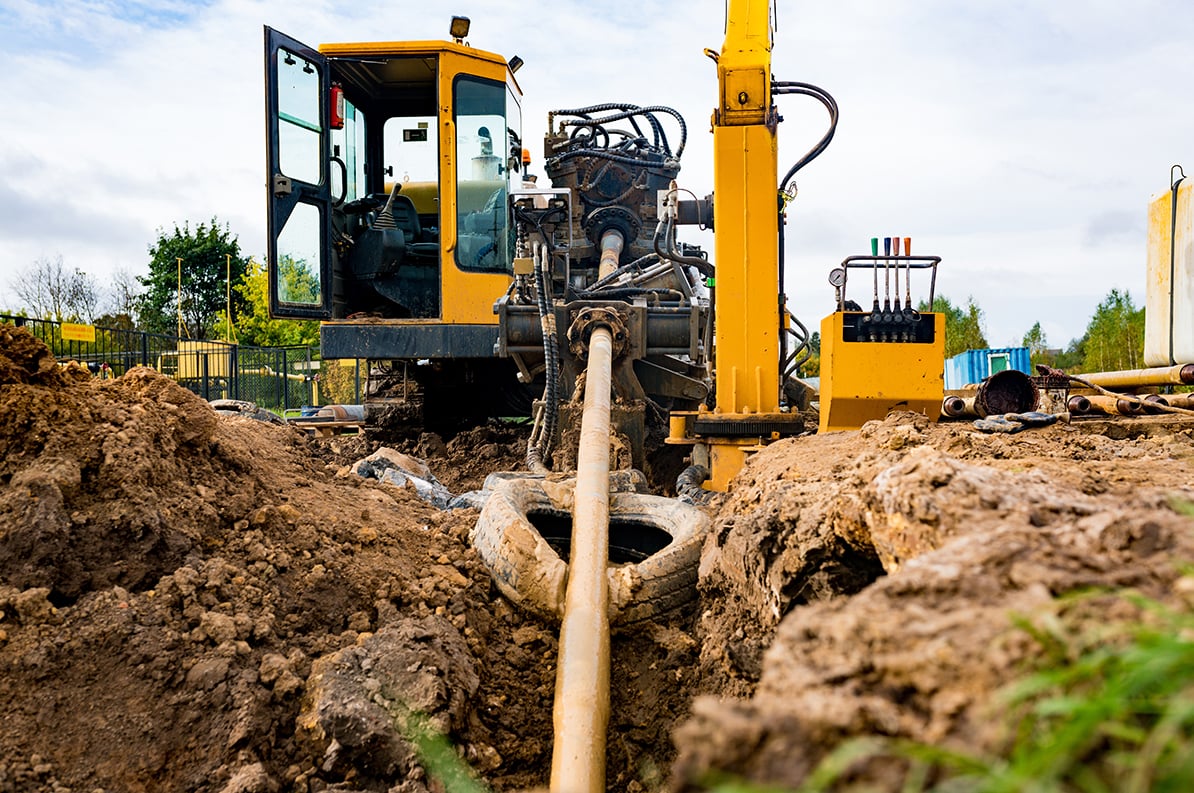
Horizontal Directional Drilling
Water Well Drilling
Agricultural Waste Recovery
Civil Construction
Mining & Mineral Processing
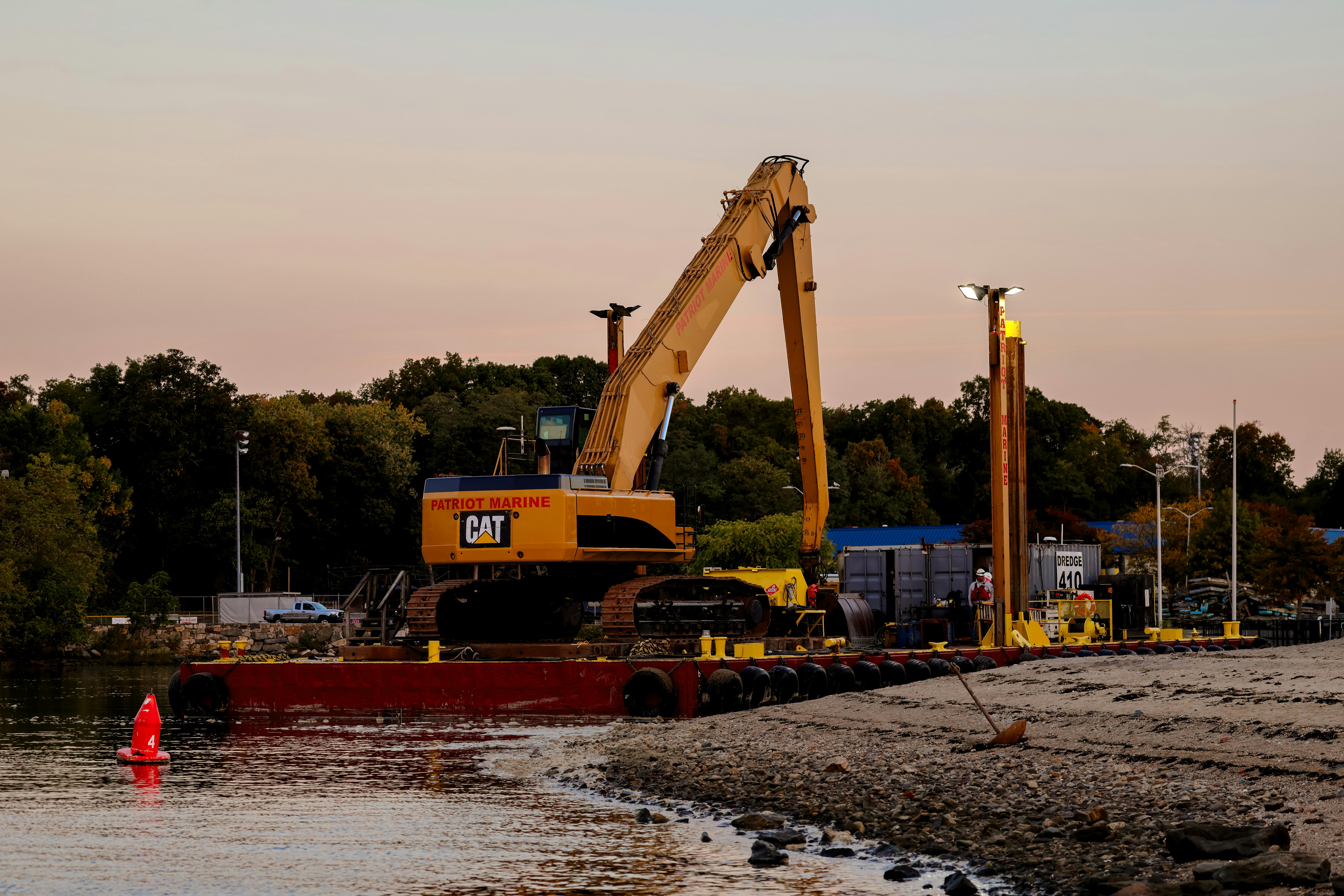
Dredging & Dewatering
Environmental Remediation
What challenges can excess water create in sludge and slurry handling?
Excess water can significantly increase the volume and weight of sludge, sediment, and slurry, making materials more expensive to transport, store, and dispose of. High water content can also complicate material handling, increase project costs, and create logistical challenges for dredging, remediation, wastewater, and industrial processing operations. Environmental dewatering systems help address these challenges by separating solids from liquid before transport or disposal.
How can dewatering reduce hauling and disposal costs?
Compact mud recycling systems are often a good fit when jobsite space is limited, fluid volumes are moderate, or equipment mobility is important. The MFS-1500 is designed to provide multi-stage solids removal while maintaining a smaller footprint than larger mud recycling systems.
How do environmental dewatering systems separate solids from slurry?
Removing drilled solids and recycling usable drilling fluid can significantly reduce waste generated during a project. The MFS-1500 helps recover drilling fluid through a combination of shale shakers and hydrocyclones, reducing the amount of fluid that must be replaced or disposed of.
What types of materials can be processed through a dewatering system?
Recycling drilling fluid helps maintain cleaner mud, reduce water consumption, lower disposal requirements, and improve overall drilling efficiency. These benefits can be especially valuable on utility installation projects where space and logistics are often limited.
Can recovered water be reused during a project?
Compact mud recycling systems are commonly used for horizontal directional drilling (HDD), utility installation, water well drilling, geothermal drilling, and other projects where fluid recycling is needed but larger systems may not be practical.
How do I choose the right dewatering system for my application?
The MFS-1500 uses a multi-stage separation process. Drilling fluid first passes over a scalping shaker to remove larger solids before flowing through hydrocyclones that separate finer particles. The hydrocyclone discharge then passes over a secondary shaker to recover additional fluid and further reduce waste.
When does a dewatering system make financial sense?
Dewatering often provides the greatest value on projects where hauling, disposal, and waste management costs represent a significant portion of the project budget. As project volumes increase, the potential cost savings associated with reducing waste volume and recovering reusable water can become more substantial. Many contractors evaluate dewatering systems by comparing equipment costs against projected transportation and disposal expenses over the life of a project.
What can be done with sediment removed from ponds and lagoons?
Sediment removed during pond, lagoon, and waterway cleanouts often contains a significant amount of water, making it difficult and expensive to transport. Dewatering systems help separate solids from water, reducing material volume and improving handling. Depending on project requirements and local regulations, dewatered sediment may be transported for disposal, used as fill material, processed further, or managed through other approved methods.